If you're aiming for better user engagement, you need more than a attractive site. Effective engagement comes from a combination of web design, SEO services, digital marketing, and help from AI experts who can turn visitor behavior into smarter decisions. For Buffalo, NY businesses, that means building a site that works for local search behavior, mobile users on the go, and visitors who expect fast answers and a smooth user experience.
Whether you serve customers in downtown Buffalo, along the waterfront, or throughout Western New York, improving website engagement should be measured by outcomes that matter: more qualified clicks, longer visits, stronger conversion rate, and more repeat traffic. What makes this valuable is that these improvements are usually practical, measurable, and scalable.
How does website user engagement really mean?
User engagement is the set of behaviors that shows visitors are paying attention and interacting with your site instead of leaving quickly. It is not one single metric. It’s a pattern made up of signals like bounce rate, time on page, session duration, pages per session, and click-through rate.
A low bounce rate can suggest that your landing page matched the visitor’s intent. A higher session duration often means your content held attention. More pages per session can indicate that your site navigation and internal linking are helping people explore. A strong click-through rate usually means your message, design, and calls to action are working together.
For businesses in Buffalo, engagement should be interpreted in context. Someone searching on a mobile phone during a commute in downtown Buffalo may want a quick answer, directions, or a phone call. A homeowner in Western New York comparing winter services may spend more time reading and visiting multiple pages. Which metric matters depends on the customer journey.
How exactly does web design affect user engagement?
Web design directly influences how easy it is for people to discover what they need. Smart design reduces friction, aids navigation, and strengthens trust. If users struggle to make sense of your layout, your user experience suffers and so does engagement.
Responsive design is vital because many visitors browse on phones and tablets. A site that adjusts cleanly to every screen improves mobile usability and eases frustration. In practice, this means readable text, tappable buttons, simplified menus, and layouts that do not require pinching or zooming.
Mobile-first design is especially important when you consider how people search in Buffalo. Users may look up a local service while attending an event, waiting near the waterfront, or commuting through Western New York. If your pages are hard to use on a small screen, your engagement drops fast.
Page speed and site speed are also important factors. Slow loading annoys visitors, increases bounce rate, and weakens conversion optimization. Clean code, compressed media, and lightweight design elements help the page load quickly and keep people moving forward.
Navigation matters just as strongly. If your menus are hard to follow, your content is buried, or important service pages are too hard to find, users leave. Strong navigation should mirror how people think about your offerings, not how your internal team is organized.
What page content holds visitors focused?
Good visuals pulls visitors in, but messaging keeps them engaged. The most effective sites use clear copy, strong page hierarchy, and skimmable content so visitors can grasp the main benefit quickly.
Simple messaging means that your homepage and key landing pages respond to three questions immediately: What services do you offer? Who is your audience? Why should I choose you? This improves content relevance and minimizes confusion.
Action buttons ought to be clear and intentional. Whether you want a price quote request, strategy session, call, or newsletter signup, your CTA should match the page goal and the visitor’s stage in the user journey. Good CTA placement helps drive lead generation and raises conversion rate.
Design hierarchy helps users know what deserves attention. Headlines, subheads, icons, images, and spacing should lead the eye naturally. If everything seems equally important, nothing catches the eye.
Skimmable content matters especially for mobile and local visitors. Use short paragraphs, meaningful headings, bullets when helpful, and direct language. People seldom read a webpage line by line. They scan for answers and decide whether to stay. Content that is easy to scan also matches search intent and boosts overall website engagement.
A strong content plan should also include content that answers common concerns, outlines services clearly, and aligns with real questions from Buffalo customers. Seasonal content can help too. For example, during a harsh Buffalo winter, service pages or blog posts about emergency availability, weather-related delays, or indoor preparation may earn more attention because they fit immediate needs.
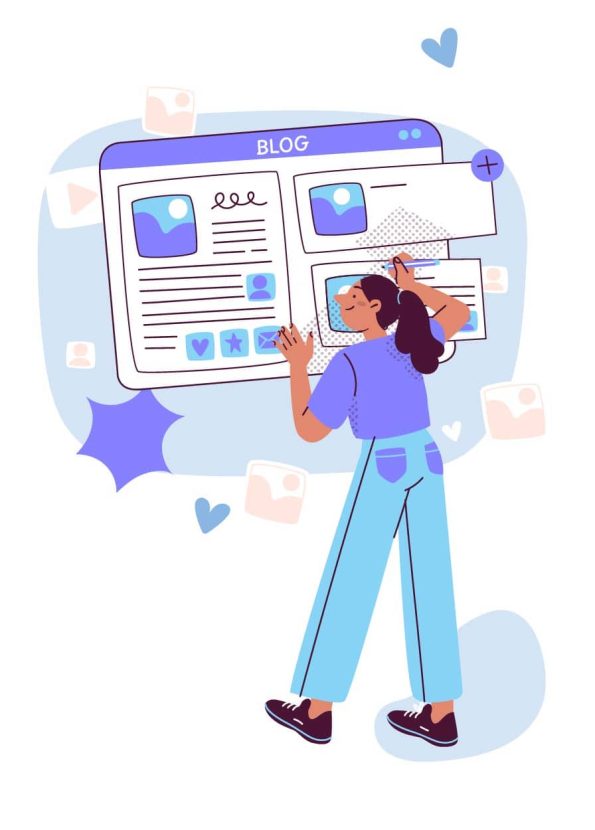
How can search engine optimization services improve user interaction beyond search rankings?
SEO services are often linked to SERP placement, but their real value reaches into engagement. Good SEO brings in the right audience and guides those visitors find the most relevant page quickly. That starts with understanding search intent.
If someone searches for a service in Buffalo, they may want a phone number, pricing, service area details, or proof that the company is local and trustworthy. Content built around search intent improves the chance that visitors spend more time, click deeper, and take action. This is a direct connection between SEO and user engagement.
Internal linking is one of the simplest ways to improve engagement. It helps visitors discover related pages, keeps them on the site longer, and supports a more complete customer journey. It also helps search engines understand site structure and page relationships.
Content optimization improves both clarity and relevance. That includes refining page titles, headers, copy, image alt text, and related topics so each page better matches the target query. It also supports conversion optimization by ensuring the content guides users toward the next step.
Local SEO is especially important for Buffalo businesses. If your company serves specific neighborhoods or areas in Western New York, your content should reflect that. Mention service areas naturally, keep your Google Business Profile current, and encourage local reviews. Those reviews do more than help rankings; they build trust and increase the likelihood that visitors will stay engaged and convert.
When search intent and local SEO align, visitors arrive with clearer expectations. That usually leads to better pages per session, stronger click-through rate, and higher-quality conversions.
What digital marketing tactics drive return visits?
Digital marketing helps you to stay in front of visitors after they leave your site. This is important because visitor interest is not always a one-time occurrence. Repeat visits often come from steady follow-up and smart audience targeting.
Email marketing is one of the most dependable ways to bring people back. A useful email sequence can share educational content, relevant offers, reminders, or local updates. If someone visited your site but did not convert, email can reintroduce them to your brand and support lead generation.
Retargeting works well for visitors who showed interest but did not take action. By serving tailored ads to those users, you can send them back to the right page and improve engagement over time. Retargeting is especially effective when paired with personalized offers or content that reflects the page they visited.
Social media marketing can also drive return traffic. Posts that highlight customer stories, educational tips, seasonal updates, or event-related content help keep your brand visible. For Buffalo businesses, this can be especially effective around local events, downtown activity, or weather-related service needs.
Well-designed conversion funnels bring these tactics together. A visitor may first discover your brand through search, then return via email, then click through a retargeting ad, and finally convert after reading a service page. That sequence improves both engagement rate and revenue potential.
How can AI experts help tailor the experience?
AI experts can make your site more relevant and useful by using information to shape personalization. Instead of showing every visitor the same content, you can adapt content, recommendations, and calls to action based on behavior, location, or past interactions.
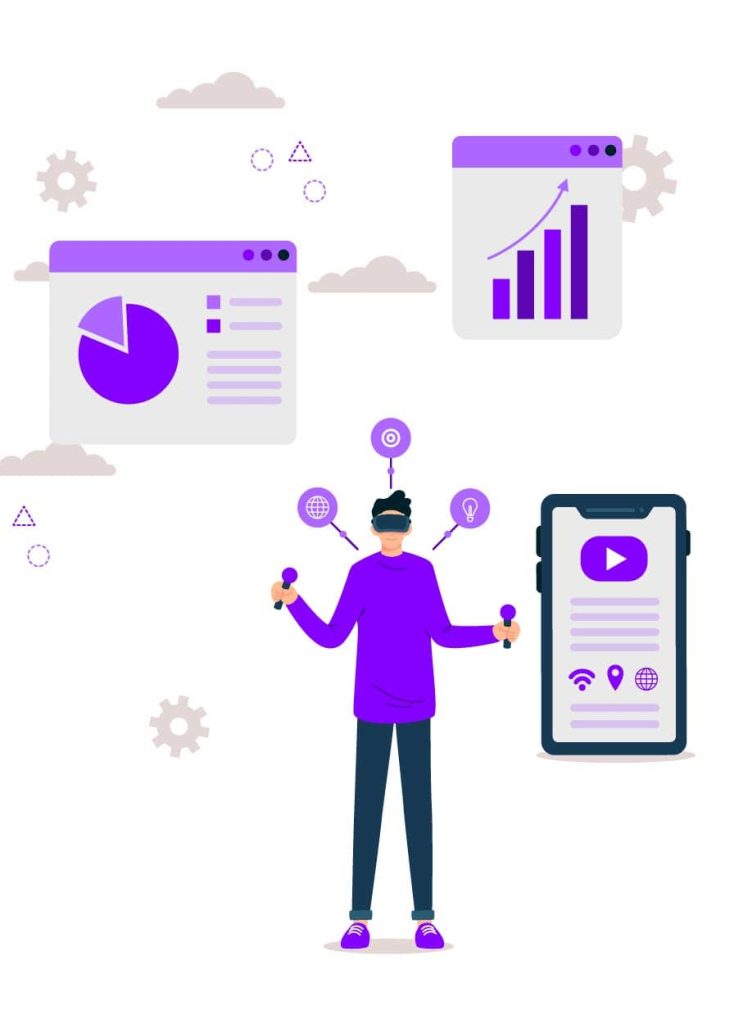
Predictive analytics helps identify what a visitor is likely to need next. For example, someone who spends time on a service page and then reads testimonials may be almost ready to convert. AI can help prioritize the next best action, from a case study suggestion to a consultation prompt.
Chatbots can improve engagement by giving users immediate answers. That is useful for common questions about pricing, hours, service areas, or availability. A chatbot can reduce friction, support customer service, and keep visitors from leaving when they need quick help.
Behavior tracking allows AI-driven systems to learn which pages, headlines, or offers are drawing attention. When combined with analytics, this insight supports better personalization and smarter content strategy. It also makes it easier to improve website engagement across different audience segments.
For Buffalo and Western New York businesses, personalization can be easy and effective. A visitor from a specific neighborhood might see service-area messaging. A returning user might see a different CTA. Someone browsing on mobile could get a quicker, shorter path to conversion. These small adjustments can significantly improve user experience and conversion optimization.
Which audience engagement measurements should Buffalo businesses track?
To improve what counts, you need to track the right things. Buffalo businesses should use Google Analytics 4 to track user engagement patterns across devices, pages, and traffic sources.
Start with scroll depth. This shows how far users move down a page and whether they are actually seeing your content. If most users stop early, the top section may not be strong enough or the page may be too long without enough structure.
Engagement rate is another helpful GA4 metric. It helps show how many visits are genuinely active instead of immediately abandoned. Combined with session duration and pages per session, it gives a fuller understanding of visitor retention.
Track conversion rate as the ultimate business metric. A page can get traffic without performing well. If visitors are not completing forms, calling, booking, or requesting quotes, then engagement needs improvement. Look at the steps before conversion to find where users drop off.
Heatmaps are also valuable. They show where people click, scroll, and lose interest. That makes it easier to improve CTA placement, layout, and content flow. When combined with analytics, heatmaps turn behavior tracking into actionable insight.
For Buffalo businesses, it is smart to segment by device and location when possible. A mobile user in downtown Buffalo may behave differently than a desktop user in suburban Western New York. Those differences can guide more precise engagement improvements.
What community tactics perform best in Buffalo, NY?
Community-based strategies should match how people in Buffalo actually look and pick businesses. That means focusing on credibility cues, neighborhood relevance, and mobile convenience.
Begin by optimizing for Buffalo neighborhoods and nearby service areas. If your business serves Allentown, Elmwood Village, North Buffalo, the waterfront, or other nearby areas, make that clear in your content. This helps with service-area targeting and improves local search behavior matching.
Local reviews matter a great deal in Buffalo. People often compare multiple providers before reaching out, and reviews help create trust quickly. Positive reviews on your Google Business Profile can influence click-through rate and user engagement before someone even lands on your website.
Visibility in Google Business Profile is crucial for local search. When someone searches on mobile during a commute, while heading to an event, or after seeing a need in real time, your profile can become the first touchpoint. Strong photos, updated hours, service details, and review responses all support better local engagement.
Regional seasonality also is important. In Buffalo winters, users often search for urgent or weather-related services on mobile devices, which increases the importance of fast-loading pages, clear calls to action, and mobile usability. During event-heavy periods around downtown or the waterfront, visitors may browse quickly and compare options on the fly. Your site should be ready for that behavior.
For Western New York businesses, local SEO, neighborhood references, and trust signals should work together. The goal is to make your website feel immediately relevant to the person searching, whether they are nearby, across town, or in the broader region.
What are the most rapid fixes to improve engagement?
If you need quick wins, focus on the areas that most directly affect visitor behavior and conversion optimization.
Initially, improve page load optimization. Faster pages reduce frustration, increase site speed, and decrease bounce rate. Compress images, reduce unnecessary scripts, and trim heavyweight design elements. That is one of the most impactful changes you can make for quick engagement gains.
Next, review CTA placement. Calls to action should appear where visitors are prepared to act, not buried at the bottom of the page. Place CTAs in the hero section, after key benefit sections, and near trust-building content. Well-placed CTA placement can boost click-through rate and conversion rate quickly.
Then, apply image compression. Oversized files delay the page and hurt mobile usability. Better image handling supports loading speed without sacrificing visual quality.
Also, update stale content updates. Outdated copy can undermine trust and reduce engagement. Update service descriptions, testimonials, local references, and seasonal content so the site feels current and relevant. It is especially helpful for Buffalo businesses that need to keep up with seasonal demand or new local trends.
Sunstone Digital Tech50 Fountain Plz #1400, Buffalo, NY 14202
(315) 758-3349
https://maps.app.goo.gl/y9HMhvcoPCh9V3eKA
https://sunstonedigitaltech.com/buffalo-marketing-agency/web-design
42.8898193, -78.8738661
Further, review navigation, internal linking, and the clarity of your content strategy. Often, the fastest improvements come from removing friction rather than adding more content. If visitors can get to the right information in fewer clicks, engagement usually rises.
To improve website engagement in a measurable way, think of your site as a system. Web design influences first impressions. SEO services bring in the right visitors and align pages with search intent. Digital marketing returns people back. AI experts assist personalize the experience. When these pieces work together, Buffalo businesses can strengthen visitor retention, increase conversion rate, and create a better user experience across the full customer journey.
FAQ
What is the fastest way to improve website user engagement?
The most immediate improvements usually come from page load optimization, clearer calls to action, and better mobile usability. https://jeffreysiqq298.opalvector.com/posts/why-custom-web-design-beats-template-sites-for-buffalo-businesses If your site loads quickly, is easy to scan, and guides visitors to the next step, engagement tends to improve quickly.
In what way does web design shape user interaction?
Web design drives engagement by structuring navigation, readability, mobile usability, and trust. Responsive design, mobile-oriented design, and clear visual hierarchy help visitors move through the site with less friction.
Can SEO services help increase time on site?
Yes. SEO services can improve time on site by matching pages to search intent, strengthening internal linking, and refining content so visitors find what they need faster. Better relevance often leads to longer visits and more pages per session.
How do digital marketing campaigns drive repeat visitors?
Digital marketing drives repeat visitors through email marketing, retargeting, social media marketing, and conversion funnels. These tactics keep your brand visible and bring users back after their first visit.
How do AI experts personalize a site to improve engagement?
AI experts can use personalization, predictive analytics, chatbots, and behavior tracking to customize content and recommendations to the visitor. That creates a more relevant experience and can improve conversion rate, engagement rate, and visitor retention.